In the Quiet of a UP Winter: Five Muslim Families Return to Hindu Dharma in MoradabadMoradabad, Uttar Pradesh — On a cold winter morning in Moradabad, as fog blanketed the streets and most of the city still slept, a quiet ceremony took place that spoke volumes about patience, trust, and the power of relationships built …

In the Quiet of a UP Winter: Five Muslim Families Return to Hindu Dharma in Moradabad
Moradabad, Uttar Pradesh — On a cold winter morning in Moradabad, as fog blanketed the streets and most of the city still slept, a quiet ceremony took place that spoke volumes about patience, trust, and the power of relationships built over years.
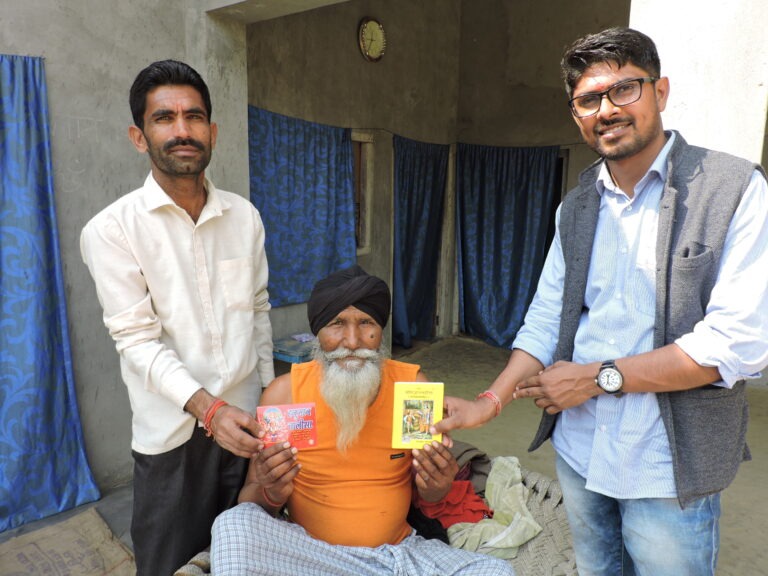
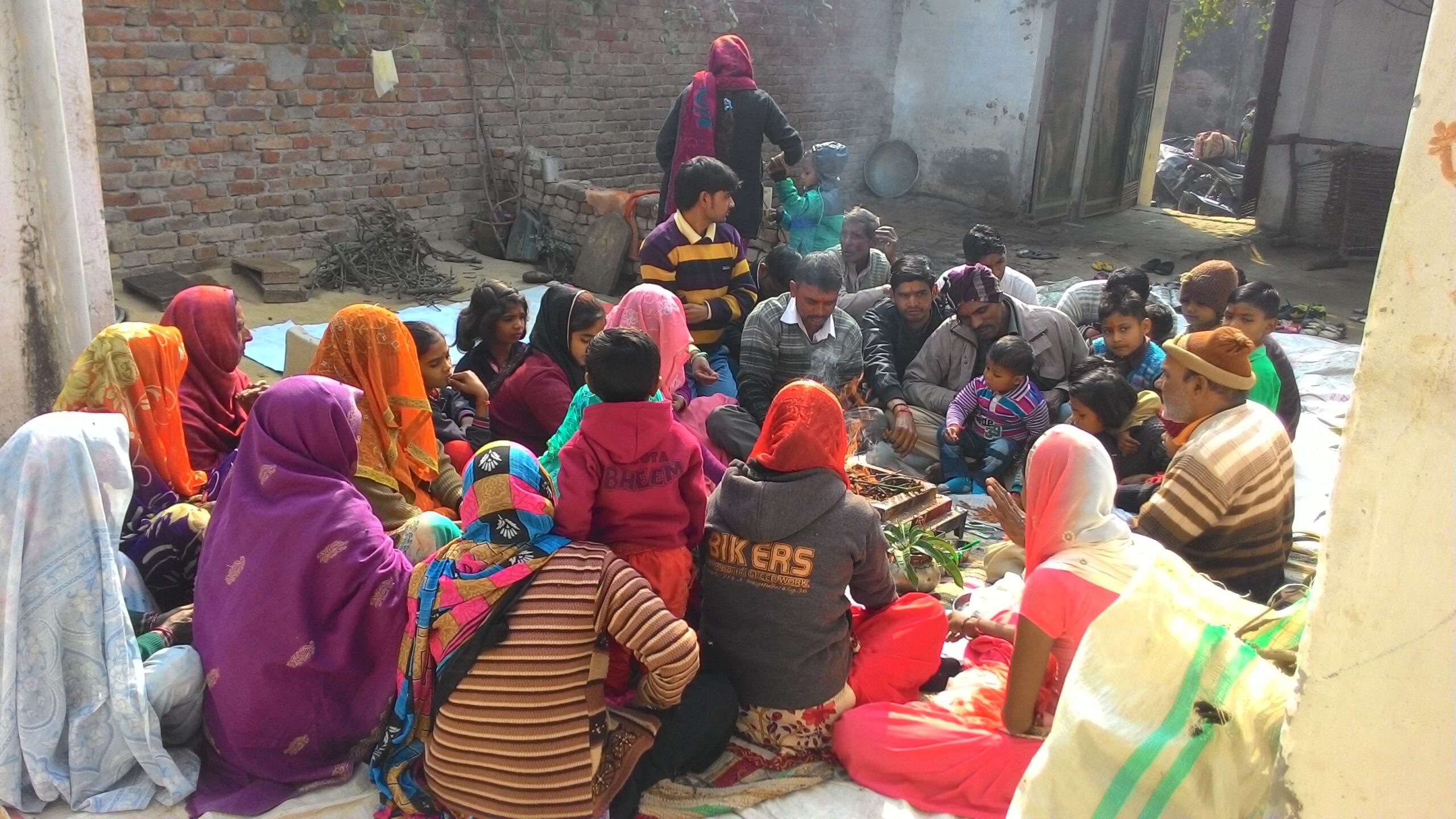
Five Muslim families from different parts of Moradabad district formally accepted Hinduism in a ghar wapsi facilitated by Hindu Rights Watch CEO Sumit Kumar and his team. There were no loudspeakers, no media calls, no social media announcements. Just the solemnity of families reconnecting with what they believed was their ancestral faith.
Years of Trust, Not Moments of Pressure
What made this ghar wapsi significant was not the number, but the process. These weren’t strangers swayed by a single speech or lured by promises. These were families who had known Sumit Kumar and the Hindu Rights Watch team for years — some for three years, others for five.
“We didn’t go to them asking them to convert,” explains a team member who was present at the ceremony. “We worked with them, helped them with government schemes, stood by them when they faced problems. Somewhere in that journey, they started asking questions about their own ancestry.”
The families came from scattered locations across Moradabad — different villages, different backgrounds, but connected by a common thread of historical memory. Many Muslims in this belt carry oral traditions suggesting Hindu ancestry, conversions that happened generations ago under circumstances their families still whisper about.
The Cold Morning Ceremony
The ghar wapsi was conducted in the biting cold of a UP winter, away from public glare. Hindu Rights Watch deliberately chose silence over spectacle.
“There’s enough noise in this country around religion,” says someone familiar with the decision. “We believe ghar wapsi is a personal, spiritual decision. It doesn’t need marketing. It needs respect and privacy.”
The families underwent traditional Hindu rituals, were given new names as per Hindu custom, and were welcomed into the fold without fanfare. The ceremony was simple, the atmosphere reverent.
No Haye Halla, Just Quiet Conviction
In an age where every religious conversion becomes a political flashpoint, where social media erupts at the slightest communal development, Hindu Rights Watch’s approach was strikingly different — no “haye halla,” no grandstanding, no press releases.
This wasn’t about optics or numbers. It was about honoring a deeply personal choice made by families after years of contemplation and connection.
“Sumit sir told us from day one — this work is not for applause,” recalls a team member. “If these families chose to return to Hindu dharma, it should be because they genuinely felt that pull, not because we pressured them or publicized them.”
The Real Work Behind the Ritual
The ghar wapsi was the culmination of years of grassroots work — not religious preaching, but community service. Hindu Rights Watch team members had helped these families navigate government bureaucracy, access welfare schemes, resolve local disputes, and build trust through consistent presence.
“They saw us not as people with an agenda, but as people who cared,” says a volunteer. “That’s when hearts open, and when people start examining their own stories.”
For the five families, the decision to embrace Hinduism wasn’t a rejection of their immediate past but a reclaiming of what they believed was a deeper past — ancestral roots that conversion had covered but not erased.
Silence as Strategy, Service as Path
In the noisy landscape of UP politics, where religion is often weaponized and conversions become electoral talking points, Hindu Rights Watch’s silent ghar wapsi in Moradabad stands apart.
No drumbeating. No victory declarations. Just five families, a cold winter morning, and the quiet satisfaction of work done not for credit, but for conviction.
“Let others make headlines,” a team member says simply. “We’re building relationships. And relationships don’t need loudspeakers.”
In the chilled winter of Moradabad, while the city slept, five families came home — not to fanfare, but to faith. And perhaps that’s exactly how it should be.