Kedla, Hazaribagh, Jharkhand — In the remote, coal-rich hills of Kedla in Hazaribagh district, where Maoist ideology once held sway and armed groups moved with impunity, Vinita's transformation reads like an ideological earthquake. A mother of three, a 10th pass village woman, and once an active member of the MCC (Maoist Communist Centre), Vinita today …

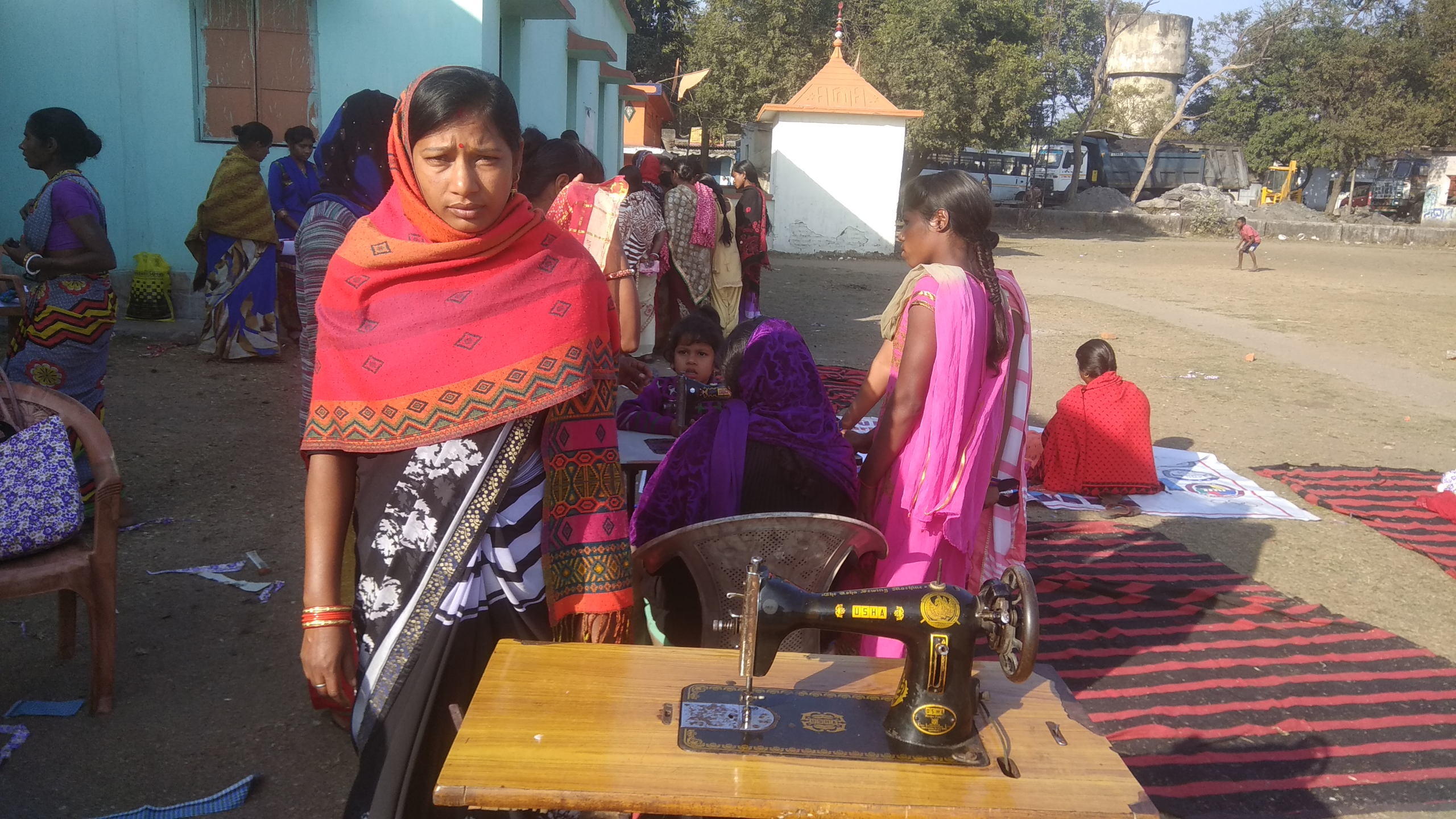
Kedla, Hazaribagh, Jharkhand — In the remote, coal-rich hills of Kedla in Hazaribagh district, where Maoist ideology once held sway and armed groups moved with impunity, Vinita’s transformation reads like an ideological earthquake. A mother of three, a 10th pass village woman, and once an active member of the MCC (Maoist Communist Centre), Vinita today distributes copies of the Bhagavad Gita in the same areas where she once worked as an informer for Maoist cadres.
Her journey from the far-left fringe to becoming a Hindu Rights Watch coordinator is a story of awakening — one that began with a simple workshop in 2018.
Life in the Shadow of Maoists and Coal Mafia
Kedla is no ordinary village. Nestled in Jharkhand’s coal belt, it bears the scars of dual exploitation — by coal mafias extracting black wealth from its earth, and by Maoist groups extracting loyalty from its marginalized communities. For ST families like Vinita’s, survival often meant choosing sides in conflicts they didn’t create.
With her husband working in Delhi to make ends meet, Vinita was left to manage three children alone in a hostile environment. Isolation, poverty, and the persuasive appeal of Maoist rhetoric promising justice for the oppressed drew her in.
“They told us Mao and Ambedkar fought for people like us,” Vinita recalls. “They said the system was our enemy. I believed them. I became their eyes and ears in the village.”
A Workshop That Shook Her Worldview
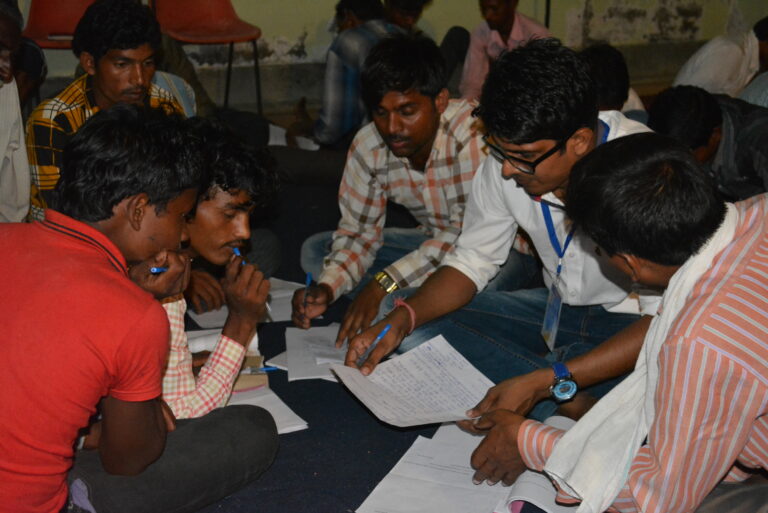
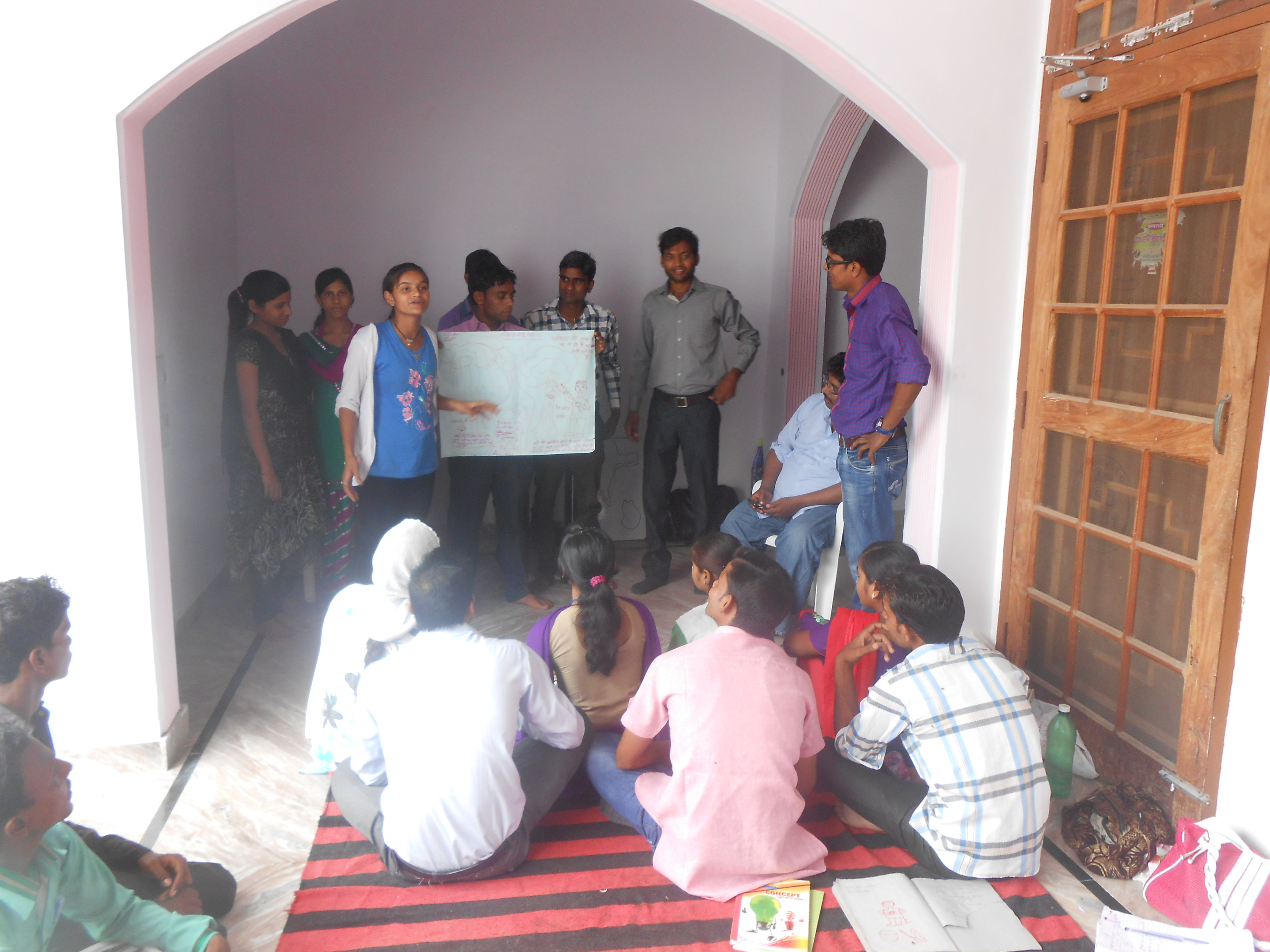
In 2018, when Hindu Rights Watch CEO Sumit Kumar organized a workshop in the Kedla area, it was designed to do exactly what Vinita didn’t expect — make her question everything.
The workshop’s focus was provocative: “Ambedkar and the Loss of Resources in Jharkhand in the Name of Mao and Ambedkar.” It presented an alternative narrative — that Maoist ideology had not liberated ST communities but trapped them in cycles of violence and underdevelopment, that Jharkhand’s resources were being looted not by some distant system but by the very forces claiming to protect tribals.
Vinita attended, initially to gather information for her Maoist handlers. But the arguments presented by Sumit Kumar unsettled her.
“For the first time, someone showed us data — how much coal was being stolen, how many ST youth had died in Maoist violence, how our children had no schools while Maoist leaders’ children studied in cities,” she says. “I went home confused and angry, but not at the workshop — at myself for never asking these questions.”
The Slow Journey Out
Transformation doesn’t happen overnight, especially when leaving an ideology that offered identity and purpose. Vinita attended three more workshops over the following months, each time peeling back another layer of the narrative she had lived by.
She joined Hindu Rights Watch’s Rishi Valmiki Program and the Hindu Relief Service initiative. Through these programs, she received direct support — assistance with her children’s education, help accessing government schemes, and most importantly, a community that didn’t demand loyalty through fear.
When COVID-19 struck in 2020, Vinita made her definitive break. She volunteered full-time with Hindu Rights Watch’s relief efforts in Kedla, distributing rations and medicines — work that connected her with villagers in ways her Maoist association never had.
“The Maoists talked about revolution. Hindu Rights Watch actually helped people,” she reflects simply.
From Informer to Reformer
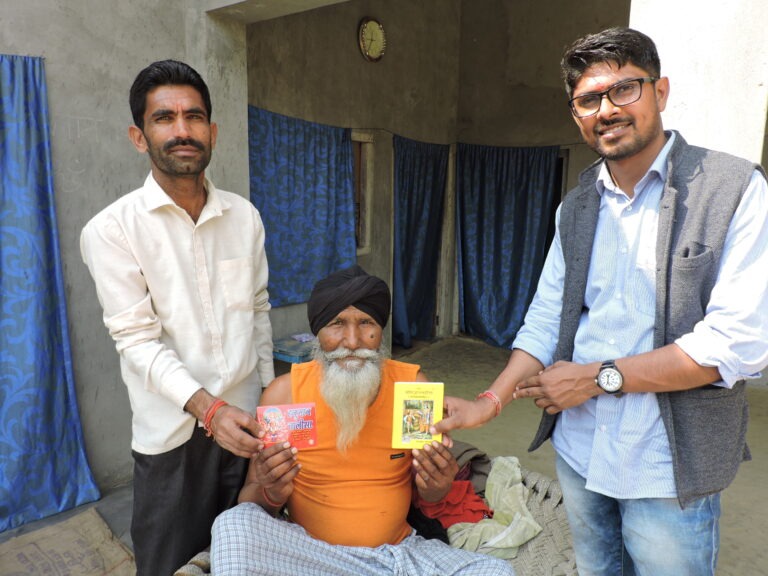
Today, Vinita is the coordinator for Hindu Rights Watch in the Kedla area — a position that would have been unthinkable just six years ago. She organizes Rishi Valmiki Program events, conducts awareness sessions, and yes, distributes copies of the Gita in villages where Maoist literature once circulated freely.
Her focus has shifted to protecting what she once ignored — the cultural and spiritual identity of ST communities. She now actively works to make tribal girls aware of what she calls “love jihad” and “Muslim jihad,” and alerts communities about aggressive Church missionary activities targeting vulnerable ST families.
“The Maoists told us to reject our traditions as superstition. The Church tells us our gods are false. The extremists see us as conversion targets,” Vinita says with conviction. “I now tell our girls — you are not victims waiting to be saved by outsiders. You are daughters of a proud community.”
A Symbol of Ideological Courage
Vinita’s transformation hasn’t been without cost. Former Maoist associates view her as a traitor. Some in the village still whisper about her past. But she remains undeterred.
“I wasted years believing in an ideology that gave me nothing but fear and division,” she says. “Now I work for something real — protecting our community, our culture, our children.”
In Jharkhand’s Maoist-affected belt, where ideology often matters more than reality, Vinita stands as proof that minds can change, that propaganda can be countered with truth, and that even those who once worked against their own community can become its most passionate defenders.
From Maoist informer to Gita distributor — Vinita’s journey is Kedla’s quiet revolution.