From 'You Are Hateful' to Embracing Hinduism: Lovely Khatun's Journey to Becoming AmritaKolkata, West Bengal — The first time Lovely Khatun met Sumit Kumar, CEO of Hindu Rights Watch, she had no idea their conversation in Ranchi would alter the entire trajectory of her life. A working professional from West Bengal based in Kolkata, Lovely …

From ‘You Are Hateful’ to Embracing Hinduism: Lovely Khatun’s Journey to Becoming Amrita
Kolkata, West Bengal — The first time Lovely Khatun met Sumit Kumar, CEO of Hindu Rights Watch, she had no idea their conversation in Ranchi would alter the entire trajectory of her life. A working professional from West Bengal based in Kolkata, Lovely was intrigued by Sumit’s work on Panchayati Raj — his professional expertise that had nothing to do with religion or politics.
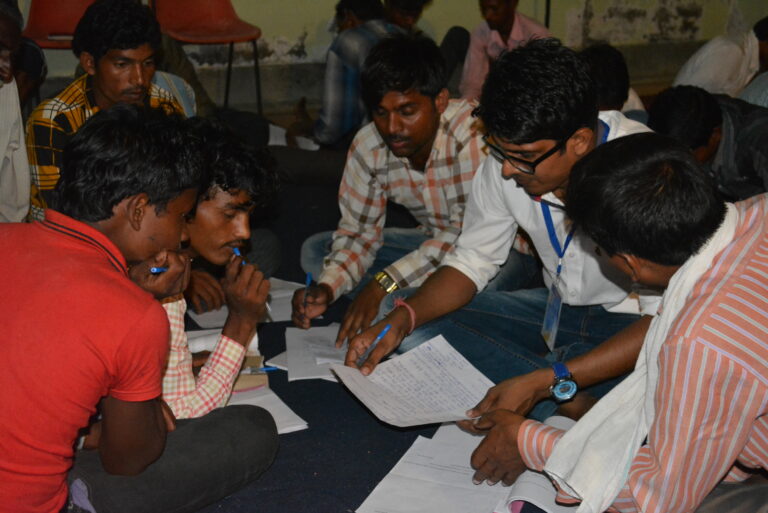
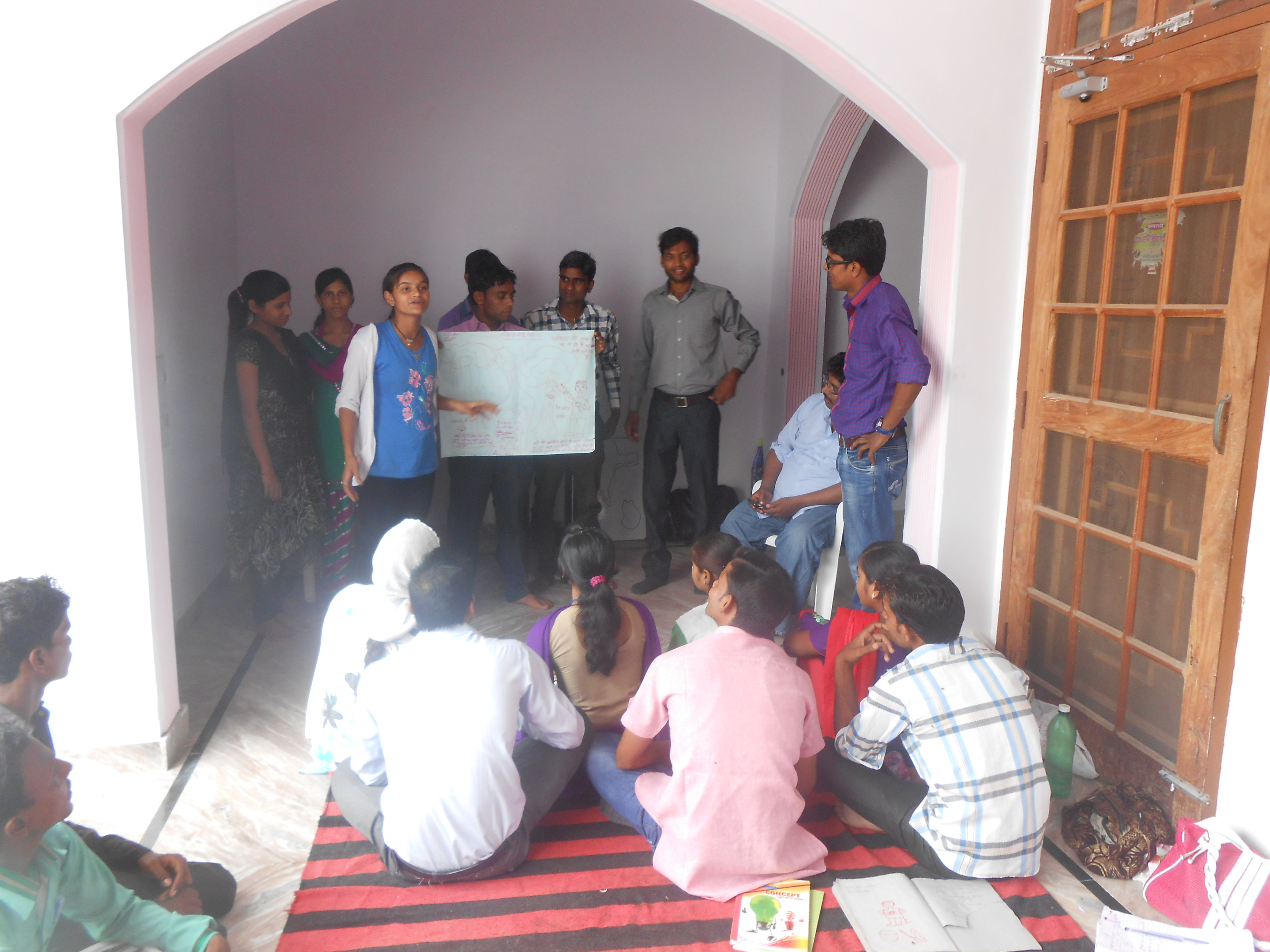
Their initial interaction was purely academic. Sumit invited her to attend one of his workshops on Panchayati Raj in Bengal, and Lovely gladly participated, impressed by his grasp of grassroots governance.
But then she discovered his other side.
The Confrontation That Could Have Ended Everything
Scrolling through social media, Lovely stumbled upon Sumit’s posts about Islam, the Quran, and what he saw as problematic aspects of Islamic ideology. Her reaction was immediate and sharp.
“You are a very hateful person,” she told him bluntly during their next conversation.
It was a moment that could have severed their connection entirely. But Sumit Kumar’s response was unexpected.
Instead of getting defensive or argumentative, he listened. Calmly. Patiently. Then he did something that stunned Lovely — he showed her his personal library.
Among the books on his shelves were the Quran, Hadith collections, and works by renowned Muslim scholars. This wasn’t a man speaking from ignorance or prejudice. He had studied the texts, engaged with the scholarship, formed his opinions based on reading, not hearsay.
“I expected him to shout back or block me,” Lovely recalls. “Instead, he showed me he had done his homework. But I still wasn’t ready to listen. I was too angry.”
She walked away from that conversation unchanged, convinced Sumit was wrong, convinced his views were dangerous.
COVID, Violence, and an Unexpected Reconnection
Then came 2020, and the COVID-19 pandemic that brought the nation to its knees.
Hindu Rights Watch launched a Hindu Relief Project in Bengal, quietly working to support vulnerable families during lockdowns. When the devastating Bengal election violence of 2021 erupted, leaving Hindu families traumatized and displaced, the organization ran a five-month relief project in North 24 Parganas, one of the worst-affected districts.
Sumit needed local connections to navigate West Bengal’s bureaucracy and reach victims efficiently. He reached out to Lovely Khatun.
Despite their earlier clash, Lovely agreed to help. She connected the Hindu Rights Watch team with district relief officials and government machinery. She saw firsthand the scale of violence, the families whose homes had been burned, the women who had been assaulted, the children left orphaned.
“I saw things I had never allowed myself to see,” Lovely says quietly. “The victims were real. The violence was real. And Sumit’s team was there, helping, not making speeches.”
Questions That Wouldn’t Stay Silent
Working alongside Hindu Rights Watch volunteers during those five months opened cracks in Lovely’s worldview. She began asking questions — not confrontational ones this time, but genuine inquiries.
She started attending Hindu Rights Watch programs, not to challenge but to understand. She read the books Sumit had once shown her. She examined her own faith with the same critical lens she had once reserved only for Sumit’s views.
Slowly, painfully, Lovely Khatun began to question everything she had been taught. And in that questioning, she found her answer.
From Lovely to Amrita
The decision to leave Islam and embrace Hinduism was hers alone. No pressure, no coercion — just a spiritual and intellectual journey that led her to a different destination than where she started.
Lovely Khatun became Amrita.
She chose a new name, underwent Hindu rituals, and formally entered the faith she once viewed from the outside with suspicion and skepticism.
Today, Amrita is married with a one-year-old child. She works as a volunteer with Hindu Rights Watch, contributing her time and energy to the very programs she once questioned. But her new life comes with painful costs.
For security reasons, Amrita lives away from her parents and extended family. The decision to convert has estranged her from her roots, made her a stranger in the community she was born into. The threats are real, the risks significant.
“I miss my parents every day,” Amrita admits, her voice thick with emotion. “But I couldn’t live a lie. I couldn’t pretend to believe something I no longer did.”
The Long Road from Anger to Awakening
From calling Sumit Kumar hateful to becoming a Hindu Rights Watch volunteer, from defending Islam to leaving it, from Lovely to Amrita — the journey has been long, lonely, and at times terrifying.
But Amrita insists she has no regrets.
“That day in Ranchi when I called Sumit hateful, I was reacting, not thinking,” she reflects. “He didn’t convince me by arguing. He convinced me by living his conviction, by doing the work, by being present when people suffered.”
In West Bengal, where religious identity often determines destiny and where leaving Islam can mean losing everything, Amrita represents a rare courage — the courage to question, to change, and to pay the price for both.
From confrontation to conversion, from anger to awakening — Amrita’s story is a reminder that transformation is possible, but it is never easy. And sometimes, the longest journeys begin with the simplest accusation: “You are hateful.”
Sometimes, they end with a new name, a new faith, and a one-year-old child who will never know their mother’s old identity — only the woman she chose to become.